
Why choose modular?
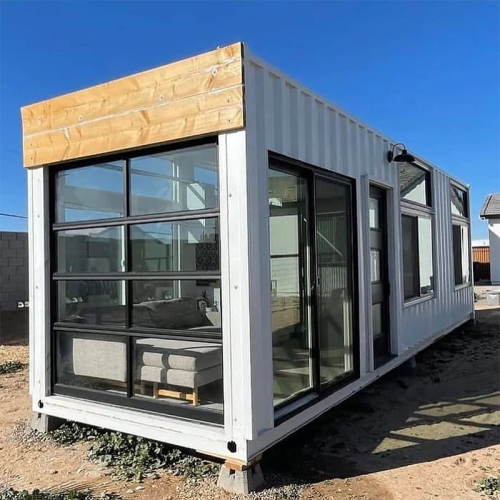
Benefits
Modular offices, cafeterias, dining halls, and facilities offer flexibility in design and can be easily scaled up or down to accommodate changing needs. The modular nature allows for efficient expansion or relocation without major disruptions.
Modular structures can be constructed much faster than traditional buildings. With pre-fabricated components and streamlined construction processes, projects can be completed in significantly shorter timeframes, saving both time and money.
Modular construction often offers cost advantages compared to traditional construction methods. The controlled factory environment reduces material waste, and the efficiency of assembly reduces labour costs. Additionally, shorter construction times can result in cost savings.
Modular structures can be fully customized to meet specific requirements. From layout and design to interior finishes and amenities, these structures can be tailored to match individual preferences and business needs.
Many modular structures are designed to be easily movable. This is particularly beneficial for temporary or mobile setups, such as pop-up kiosks or event facilities. The ability to relocate and reuse these structures provides added versatility.
Modular construction often incorporates sustainable practices. Factory-controlled environments minimize waste, and energy-efficient materials and systems can be integrated into the design. Modular structures can also be easily disassembled and recycled, reducing environmental impact.
Despite the shorter construction time, modular structures are built to meet stringent quality standards. The controlled factory environment ensures consistent craftsmanship, and the use of high-quality materials results in durable and long-lasting structures.
The construction of modular structures can minimize disruption to existing operations. Off-site manufacturing reduces on-site disturbances, such as noise, dust, and traffic. This is particularly advantageous when adding new facilities to operational sites.
Modular structures can be designed and built to comply with relevant building codes and regulations. Adhering to these standards ensures safety, accessibility, and compliance with local requirements.
Modular structures are easily expandable or adaptable to changing needs. Additional modules can be added to accommodate growth, and interior layouts can be modified to suit evolving purposes or functions.